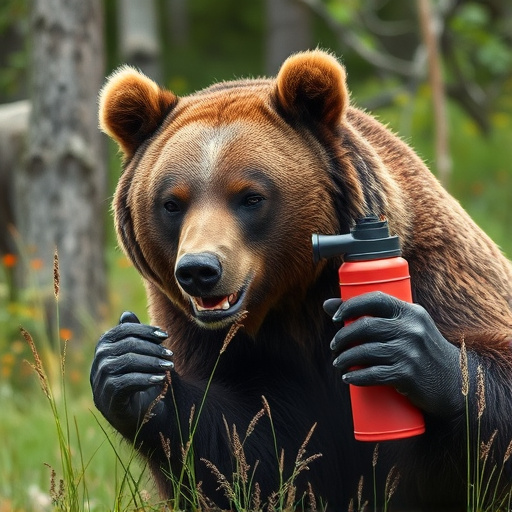
Proper use of bear spray depends on understanding and utilizing wind direction to effectively deter bears. Aiming away from oneself towards the bear's face or eyes when deploying the spray is crucial for maximum protection. Additionally, safe storage, regular maintenance, and compliance with local regulations are vital for ensuring optimal bear spray safety during outdoor activities in bear country.
“Maximizing your safety while encountering bears is crucial, and bear spray has emerged as a powerful defense mechanism. This article explores the science behind bear spray, its maximum stopping power, and how wind direction plays a pivotal role in its effectiveness. We delve into best practices for safe usage, ensuring you’re prepared when navigating bear country. By understanding these key factors, including proper application techniques and considering wind conditions, you can significantly enhance your safety while enjoying outdoor adventures.”
- Understanding Bear Spray: Mechanism and Effectiveness
- Wind Direction: A Critical Factor in Bear Spray Defense
- Ensuring Safety: Best Practices for Bear Spray Use
Understanding Bear Spray: Mechanism and Effectiveness
Bear spray, also known as bear repellent, is a powerful tool designed to protect individuals from potential bear encounters in their natural habitat. Understanding how it works and its effectiveness is crucial for anyone venturing into bear country. The primary active ingredient in bear spray is capsaicin, which is derived from chili peppers. When sprayed, capsaicin irritates the eyes, nose, throat, and lungs of the target animal, causing it to retreat.
The mechanism of bear spray involves a quick release of the aerosol, which projects a cloud of capsaicin-laced liquid. Proper use requires awareness of the wind direction; spraying into the face or eyes of a bear can cause severe irritation and even temporary blindness. Bear spray is most effective when used as a deterrent during an encounter, allowing individuals to create distance from the bear safely. Safety precautions include ensuring proper storage, regular maintenance, and understanding the legal considerations surrounding its use in different regions.
Wind Direction: A Critical Factor in Bear Spray Defense
The wind direction plays a crucial role in the effectiveness of bear spray as a defense mechanism. When using bear spray, it’s essential to consider the wind’s position relative to both you and the bear. Optimal conditions occur when the wind blows away from you, carrying the spray towards the bear. This ensures that you remain protected while the bear is temporarily incapacitated by the irritant.
However, a wrong wind direction can render your bear spray less effective or even counterproductive. If the wind is blowing directly toward you, the spray could potentially blow back onto yourself, reducing its impact on the bear and posing a risk to your safety. Therefore, understanding and accounting for the wind direction is a vital aspect of bear spray safety.
Ensuring Safety: Best Practices for Bear Spray Use
When using bear spray, understanding wind direction is crucial for optimal protection. Always assess the breeze before applying the spray; aim away from your face and directly towards the bear’s face or eyes. The goal is to create a barrier of aerosolized pepper spray, disrupting the bear’s ability to breathe and see effectively.
Best practices include keeping a safe distance, remaining calm, and using the spray as a last resort. Regularly check expiration dates and ensure proper storage, as bear spray functionality degrades over time. Additionally, familiarize yourself with local regulations regarding carrying and using such defensive tools in wild areas.
Bear spray is an effective defense when used properly, but understanding its mechanism and the crucial role of wind direction can enhance safety. Following best practices ensures that bear spray remains a reliable tool for personal protection in bear country. By being aware of these factors, individuals can make informed decisions and navigate potential encounters with bears more confidently, ultimately prioritizing their well-being in these wild environments.