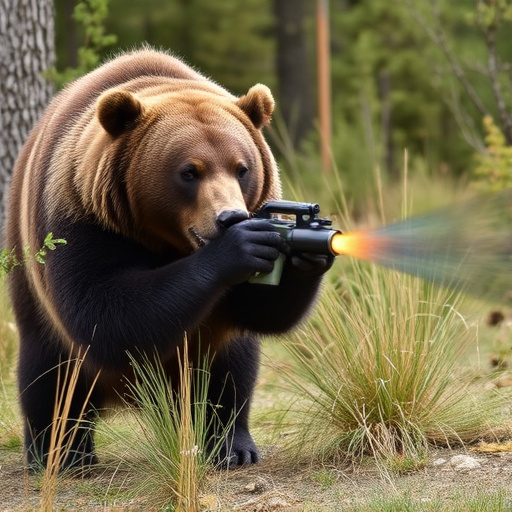
Bear spray is an effective personal defense tool against bears, but its success depends heavily on wind direction and proper usage. Spraying into the wind ensures the chemical agent remains concentrated, targeting the bear's eyes, nose, and respiratory system. Misconceptions about direct spraying into a bear's face must be avoided; instead, aim for distance and use it as a last resort. Bear spray safety experts emphasize that it aids in escape and delay, not guaranteed deterrence, making awareness of environmental factors crucial for optimal safety in bear country.
“Unveiling the maximum stopping power of bear spray, a vital tool in wilderness defense. This comprehensive guide explores how understanding wind direction can significantly impact the effectiveness of bear spray, enhancing your safety in potential encounters. From best practices for usage to debunking common myths, we navigate the crucial factors affecting its performance. Ensure your outings are informed and secure by mastering the art of bear spray safety.”
- Understanding Bear Spray: What It Is and How It Works
- Wind Direction: A Crucial Factor in Bear Spray Effectiveness
- Ensuring Safety: Best Practices for Using Bear Spray
- Debunking Myths: Exploring the Maximum Stopping Power of Bear Spray
Understanding Bear Spray: What It Is and How It Works
Bear spray, also known as bear deterrent or pepper spray designed for wildlife, is a powerful tool for personal defense in areas where bears are present. It’s an aerosol can containing capsaicin, the active ingredient found in chili peppers, which causes irritation and temporary blindness when sprayed into the eyes and respiratory system of an attacker. Understanding how bear spray works and maximizing its effectiveness, especially considering wind direction, is key to ensuring bear spray safety during outdoor activities in bear country.
When using bear spray, it’s crucial to recognize that wind direction plays a significant role in its success as a defense mechanism. For optimal results, you want the wind blowing away from you, ensuring that the spray doesn’t blow back towards you. It’s recommended to keep a safe distance from bears and aim for their faces and eyes when spraying, as this will maximize the impact of the capsaicin and give you time to retreat safely. Proper usage and awareness of environmental factors, such as wind direction, can significantly enhance bear spray safety during outdoor adventures in areas inhabited by these majestic yet potentially dangerous animals.
Wind Direction: A Crucial Factor in Bear Spray Effectiveness
The wind direction plays a pivotal role in determining the effectiveness of bear spray as a defense mechanism. When using bear spray, it’s crucial to consider the direction and speed of the wind, as it can significantly impact how the spray disperses and reaches its target. Aiming directly into the wind grants the user an advantage, ensuring that the pepper spray stays concentrated and effectively irritates the bear’s eyes, nose, and respiratory system.
Conversely, using bear spray against the wind may reduce its impact. The spray can dissipate more quickly, potentially decreasing its stopping power. Understanding this dynamic aspect of wind direction is essential for maximizing the safety and effectiveness of bear spray when encountering these powerful wildlife creatures.
Ensuring Safety: Best Practices for Using Bear Spray
Ensuring your safety while encountering a bear can be as simple as understanding and adhering to best practices for using bear spray. When facing a potential bear encounter, always keep an eye out for any signs of bears in the area and remain calm. Before deploying bear spray, assess the wind direction; it’s crucial to ensure that you’re spraying away from yourself and towards the bear. Aim for the bear’s face and eyes, as this is where the spray has the most impact.
Remember, bear spray is a tool for deterring an attack, not a guarantee of safety. It’s essential to use it responsibly and only as a last resort when a bear shows aggressive behavior or attempts to approach you. After spraying, create distance and retreat slowly while keeping an eye on the bear. Proper usage can significantly increase your chances of avoiding a potentially dangerous situation.
Debunking Myths: Exploring the Maximum Stopping Power of Bear Spray
Bear spray is often marketed as a surefire defense against aggressive bears, claiming maximum stopping power in any situation. However, it’s crucial to debunk these myths and understand its actual effectiveness. The spray’s success depends on various factors, including proper usage, wind direction, and bear behavior—not just the strength of the spray itself.
One common misconception is that spraying directly into an attacking bear’s face will always stop it in its tracks. In reality, the spray’s range and coverage play significant roles. Wind direction is critical; a slight shift can make the spray blow back onto the user or be blown away entirely, rendering it useless. Moreover, bears have varying reactions to the spray, with some merely pausing momentarily before resuming their assault, while others may become disoriented but not completely deterred. Bear spray safety experts emphasize that it’s a tool for escape and delay, not a foolproof defense mechanism.
Bear spray, while an important tool for defense against bears, is most effective when used in conjunction with understanding wind direction and practicing proper safety measures. The power of bear spray lies not only in its maximum stopping ability but also in responsible usage. By knowing the ins and outs of bear spray application, considering environmental factors like wind, and adhering to safety protocols, individuals can better protect themselves during encounters with these majestic yet potentially dangerous animals. Staying informed and prepared is key to navigating the great outdoors safely.