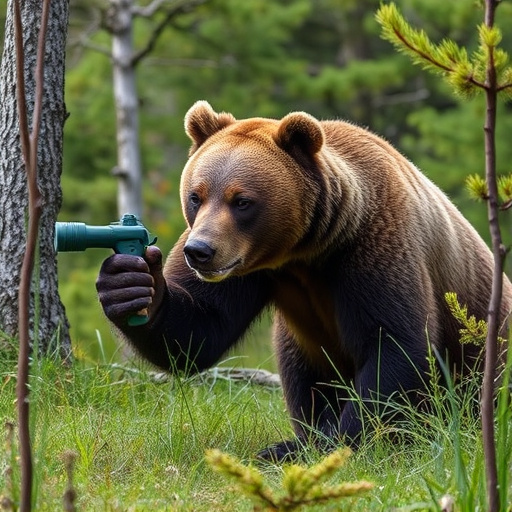
Bears, especially grizzlies, have an exceptional sense of smell that guides their behavior and survival. Wind direction plays a critical role in the effectiveness of bear spray, with tailwinds allowing direct spraying to create distance and deter aggression, while winds behind or angled reduce spray reach. Selecting the right bear spray for local bear species and understanding application techniques are key to maximizing safety. Training sessions, practicing scenarios including differing wind conditions, and keeping sprays readily accessible improve reaction time during encounters. Regular maintenance, proper storage following manufacturer guidelines, and replacing equipment before expiry dates ensure optimal performance for wind direction bear spray safety in bear country.
In regions where bears roam, understanding prevention methods is vital for human safety. Bear attack prevention spray equipment has emerged as a crucial tool, offering a non-lethal means of deterring aggressive encounters. This article delves into the science behind bear behavior and smell, explaining how wind direction influences the effectiveness of bear spray. We guide readers through choosing the right spray, mastering application techniques for maximum safety, and ensuring proper maintenance to guarantee optimal performance during critical moments.
- Understanding Bear Behavior and Their Sense of Smell
- How Wind Direction Impacts the Effectiveness of Bear Spray
- Choosing the Right Bear Spray for Your Needs
- Application Techniques to Maximize Safety During a Encounter
- Regular Maintenance and Expiry Dates for Optimal Performance
Understanding Bear Behavior and Their Sense of Smell
Bears, particularly grizzlies, possess an exceptional sense of smell, which is a crucial aspect of their behavior and survival. They use scent to communicate, locate food, and navigate their environment. Bear spray safety relies heavily on understanding this behavioral trait. When faced with potential threats, bears can detect chemicals in bear spray from great distances, often up to 100 feet or more, depending on wind direction. This ability makes it a powerful tool for deterring attacks.
The key to effective use lies in knowing the wind’s current direction. Bear spray is most successful when applied directly into the animal’s face and blowing back towards them. If used correctly, the irritants in the spray can create enough disorientation and discomfort to allow for a safe escape. Therefore, awareness of wind patterns and proper application technique are essential skills for anyone venturing into bear country.
How Wind Direction Impacts the Effectiveness of Bear Spray
The wind direction plays a significant role in the effectiveness of bear spray, impacting both its range and accuracy during an encounter. When applying bear spray, it’s crucial to consider the direction of the wind to ensure optimal safety. If the wind is blowing directly towards you, the spray will follow its course, potentially covering you and providing a protective barrier. However, if the wind is coming from behind or at an angle, the spray may not reach the bear as intended, reducing its effectiveness in deterring an attack.
Understanding this dynamic is vital for users to make split-second decisions during a potential encounter. In favorable conditions with a tailwind, spraying directly towards the approaching bear can create a safe distance and often discourage aggressive behavior. Conversely, if the wind direction isn’t in your favor, it’s essential to seek alternative safety measures or take cover until the threat passes.
Choosing the Right Bear Spray for Your Needs
When selecting bear spray, understanding your specific needs and environment is crucial. Different regions have varying bear species and behaviors, so choosing a spray designed for the local threats is essential. For instance, black bears in some areas may be less aggressive than grizzly bears, impacting spray range, concentration, and application technique requirements.
Additionally, wind direction plays a vital role in bear spray safety. Always consider the potential breeze when deploying the spray. Aiming against the wind ensures optimal coverage, as you don’t want to risk blowing the spray back towards yourself. Proper usage techniques, combined with the right bear spray designed for your locale, significantly enhance your safety during encounters in bear country.
Application Techniques to Maximize Safety During a Encounter
When using bear spray during an encounter, understanding application techniques is key to maximizing safety. The wind direction plays a crucial role in its effectiveness; aim for the bear’s face and eyes, holding the can 2-3 feet away, and spraying in short bursts. This ensures the irritant reaches the animal directly, causing it to avoid or retreat. It’s important to remember that bear spray is not a cure-all, and proper usage requires practice and preparation.
Regular training sessions can help individuals become more comfortable with the equipment and improve reaction time during actual encounters. Practicing application techniques in various scenarios, including different wind conditions, allows users to adapt quickly. Additionally, keeping the can accessible and ready, rather than tucked away or in a bag, enables faster response times when facing an aggressive bear.
Regular Maintenance and Expiry Dates for Optimal Performance
Regular maintenance and proper storage are essential for ensuring the optimal performance of bear attack prevention spray equipment. Users should inspect their sprays frequently, checking for any signs of damage or corrosion. It’s also crucial to keep them in a cool, dry place, away from direct sunlight, as extreme temperatures can affect the effectiveness of the spray. Additionally, understanding the wind direction is vital for safe usage; always carry the spray facing away from you and towards potential threats, following the recommended safety guidelines provided by manufacturers.
Expiry dates are another critical aspect to consider. Bear spray has a limited shelf life, typically ranging from 2 to 3 years, depending on the brand and storage conditions. After this period, the active ingredients may degrade, reducing the spray’s effectiveness. Users should replace their equipment before the expiration date to guarantee maximum protection when needed. Regular maintenance and staying aware of expiry dates are key components in ensuring bear spray safety during outdoor adventures in areas known for bear populations.
Understanding bear behavior, knowing how wind direction affects spray range and effectiveness, selecting the right bear spray, mastering application techniques, and maintaining equipment are key elements in enhancing safety during encounters with these powerful animals. By considering these factors, individuals venturing into bear country can significantly reduce risks and increase their chances of staying safe in the event of a confrontation. Bear spray remains an essential tool for personal protection when combined with knowledge of bear behavior and proper usage techniques.